Balanced · Trusted · Concise
An OCC-supervised national bank trust activated Lightning Network payments directly from institutional custody, while the Department of Commerce committed $2 billion to quantum computing infrastructure — the class of hardware that would eventually require Bitcoin to migrate its current ECDSA-based digital signature scheme.
An OCC-Chartered Bank Trust Activated Lightning Network Payments Directly From Institutional Bitcoin Custody
BitGo Bank & Trust, National Association — a federally chartered national trust bank supervised by the Office of the Comptroller of the Currency — activated Lightning Network payment capabilities directly from its qualified custody platform on May 19, through an expanded partnership with payment infrastructure firm Voltage. Voltage handles node deployment, liquidity provisioning, and key management on behalf of clients; institutional counterparties access Lightning wallets, invoices, and payment settlement through the same APIs that interface with BitGo's existing custody environment. The May release represents the third phase of a deliberate build: a BitGo-Voltage routing agreement in April 2025, a custody-layer Lightning integration in December 2025, and now a full Crypto-as-a-Service product that bundles both capabilities and adds stablecoin settlement over Lightning to the near-term roadmap. The trust bank holds a nationwide OCC charter.
With qualified custody and Lightning rails operating under the same OCC-supervised legal entity, the full Bitcoin payments stack — from institutional-grade custody to near-instant settlement — is now available within a single federally chartered banking structure.
The U.S. Government Committed $2 Billion to Quantum Computing — Advancing Hardware on a Timeline That Includes Bitcoin's ECDSA Signature Scheme
The Department of Commerce signed letters of intent on May 21 to direct $2.013 billion in federal incentives to nine quantum computing and foundry companies under the CHIPS and Science Act, with the federal government taking equity stakes in each recipient. IBM received the largest single commitment — $1 billion to establish a new quantum foundry subsidiary for quantum-grade superconducting wafers — and GlobalFoundries received $375 million to build a parallel domestic foundry. The program targets fault-tolerant quantum computers capable of solving problems intractable for classical machines; IBM's Quantum Readiness Index projects meaningful quantum computing advantages materializing by the end of 2026, though hardware at the scale required to threaten Bitcoin-grade cryptography remains years beyond current capabilities. Bitcoin's digital signatures use ECDSA, an elliptic-curve algorithm that a sufficiently powerful quantum computer could break by recovering private keys from public keys.
The federal investment accelerates U.S. quantum hardware development toward the capability threshold that would require Bitcoin to migrate its ECDSA-based signature scheme — a protocol-level change that depends on network-wide consensus.
(NIST, CNBC)
Bitcoin Health Meter
58 Mixed
Network 51
Demand 46
Holder 78
Market 62
Macro 57
View breakdown →
Editor's Choice
Bitkey Bitcoin Hardware Wallet

Self-custody made simple. Built by Block, Jack Dorsey's company, for real-world Bitcoin storage and everyday use.

View on Amazon
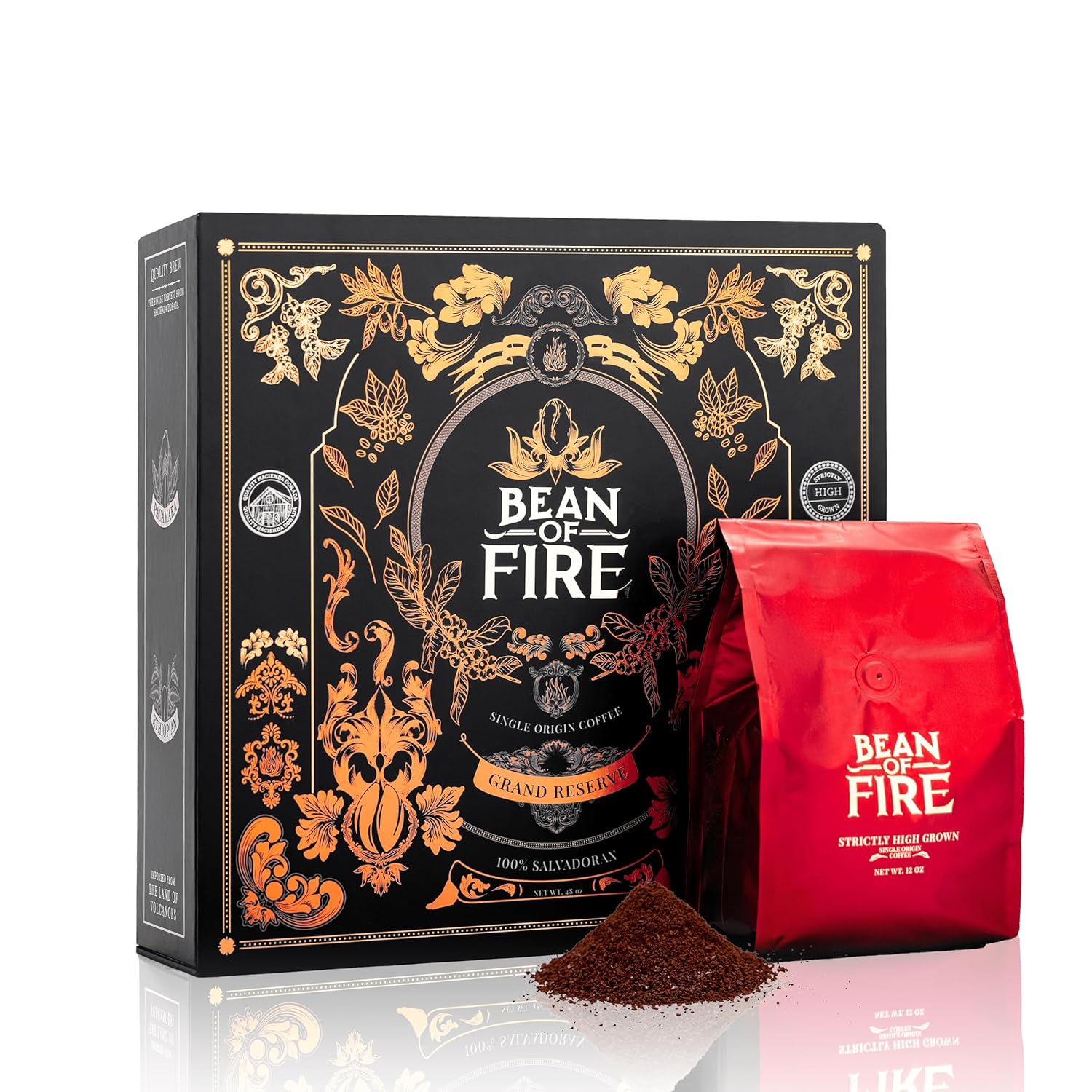
Bean of Fire Exotic Variety Box

Exotic single-origin coffees created by Nayib Bukele — the president who made El Salvador the first nation to adopt Bitcoin as legal tender.

View on Amazon
Amazon affiliate links. Purchases support BTC Weekly.
Follow via RSS
Your weekly roundup of Bitcoin's key developments. New issue every Saturday night.
btcweekly.org/feed.xml →